
Nepal demands compensation from US, China, and India for floods

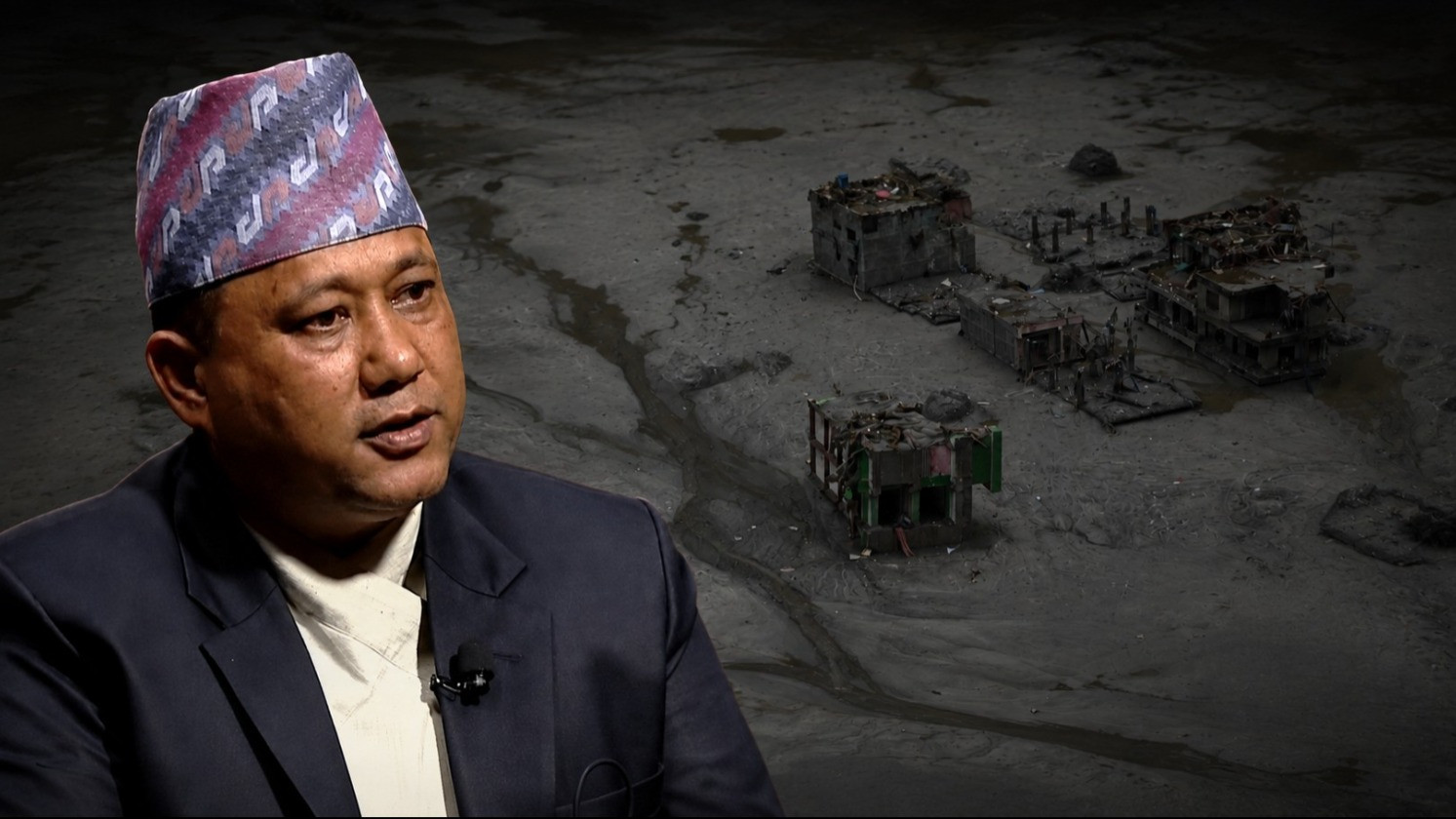
Nepal asserts that post-disaster aid should be viewed as a 'moral responsibility' rather than 'charity'.
Nepal has initiated a diplomatic effort to demand climate compensation from the countries that emit the highest greenhouse gases for the devastation caused by the catastrophic floods. Nepal asserts that the aid received after the disaster should be viewed as “compensation” rather than “donation.”
Foreign Minister Shishir Khanal stated that,
Nepal's contribution to global greenhouse gas emissions is “negligible,” yet it is suffering severe consequences of global warming. These include rapid glacier melting and devastating natural disasters in hilly areas. India, the United States, and China are directly responsible for this.
The Foreign Minister of Nepal identified China, the United States, and India as the three largest greenhouse gas-emitting countries in the world, stating that it is their “historical responsibility” to compensate sensitive countries like Nepal.
Kantipur TV in an interview, Khanal said,
We are paying the highest price for a global crisis that we did not create. The rapid melting of glaciers and these devastating tsunamis in the mountains are direct results of global climate change.”
An excerpt from this interview was published on Tuesday in ‘The Kathmandu Post’.
Khanal stated that,
Nepal is now shifting its diplomatic policy from “aid” to focus on “justice and compensation.” He said that Nepal will raise this issue on international platforms with “full firmness and clarity” and demand compensation from major emitting countries for the losses suffered by vulnerable nations affected by climate change.
He added,
“This is a question of the survival of civilization. If the glaciers of the Himalayas disappear, the water security of over two billion people in South Asia, who depend on rivers like the Ganga and Trishuli, will be permanently jeopardized. We are raising our voice not just for Nepal, but for the existence of the entire South Asian civilization.”
Khanal informed that Nepal's Ministry of Finance has sent a formal claim for climate compensation to its international partners. India has consistently emphasized climate equity and highlighted its relatively low per capita emissions. India argues that historical emissions, developmental needs, and capacities of different countries should be considered when determining climate responsibilities. India also believes that the Western countries that industrialized first have utilized a large portion of the global carbon budget.
New Delhi has supported efforts to address loss and damage faced by vulnerable developing countries due to climate change. However, India maintains that the financial resources necessary for these countries to cope with climate impacts should be provided by developed nations.
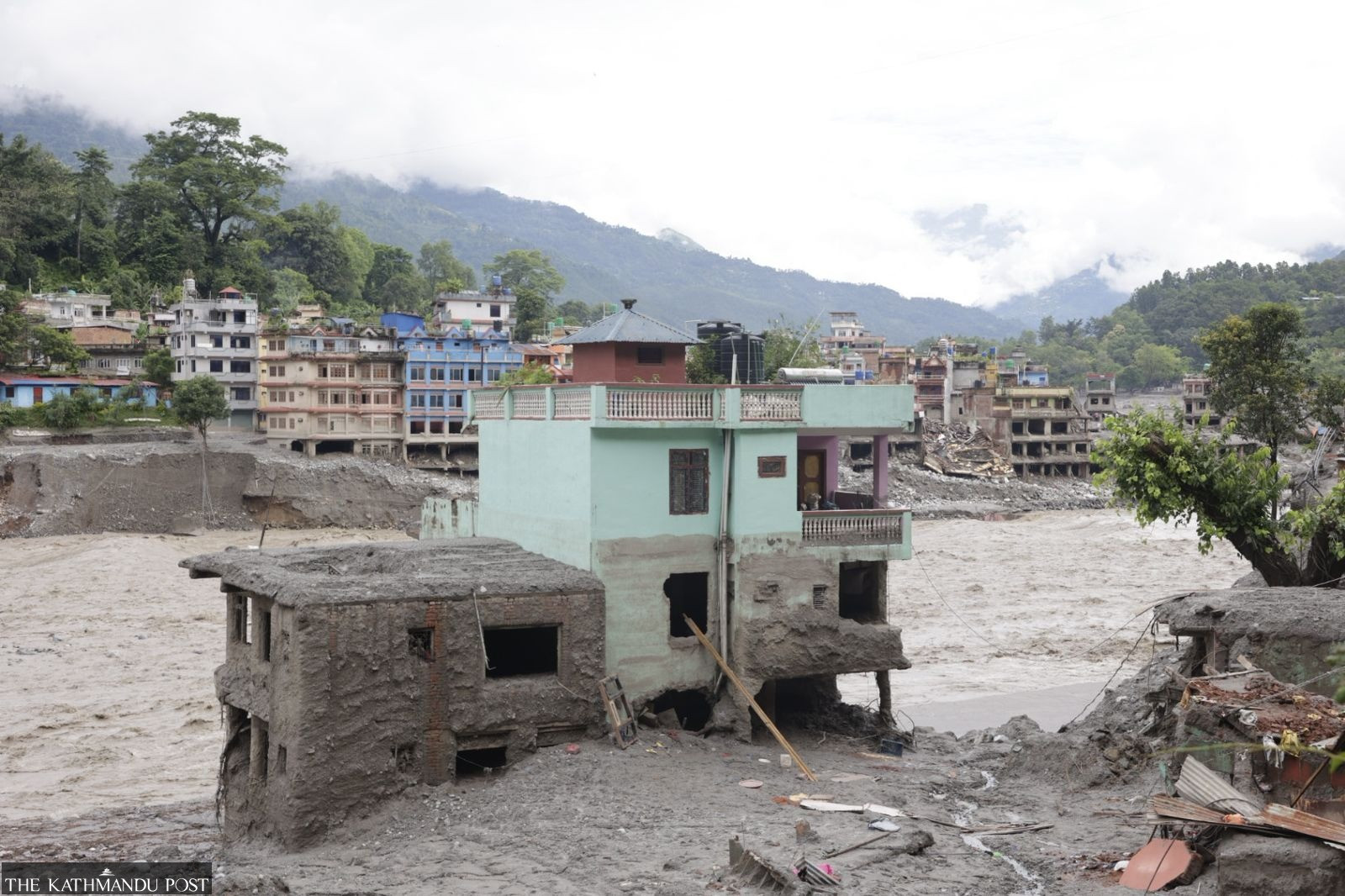
‘The Kathmandu Post’ reported that Nepal has formally contacted the board of the ‘Fund for Responding to Loss and Damage’ for immediate financial assistance following the devastating floods in the Bhotekoshi River valley on August 26. This arrangement was established at the COP27 conference held in 2022 and was activated at COP28.
A letter jointly signed by Finance Minister Swarnim Wagle and Minister of Forests and Agriculture Geeta Chaudhary calls for immediate action regarding the devastating floods. This flood resulted in a significant loss of life, displacement of thousands, and destruction of homes and critical infrastructure.
The letter states,
“A complete assessment of economic and non-economic loss and damage is yet to be conducted. However, initial information indicates that the consequences are extremely severe and far exceed Nepal's immediate relief and rescue capacity.”
Maheshwar Dhakal, Joint Secretary of the Ministry of Forests, stated that,
This is the first time Nepal has sought assistance under this arrangement. He noted that the scale of devastation caused by the floods is immense. The subsequent necessary search, rescue, relief, rehabilitation, and reconstruction efforts have become a major challenge for Nepal.
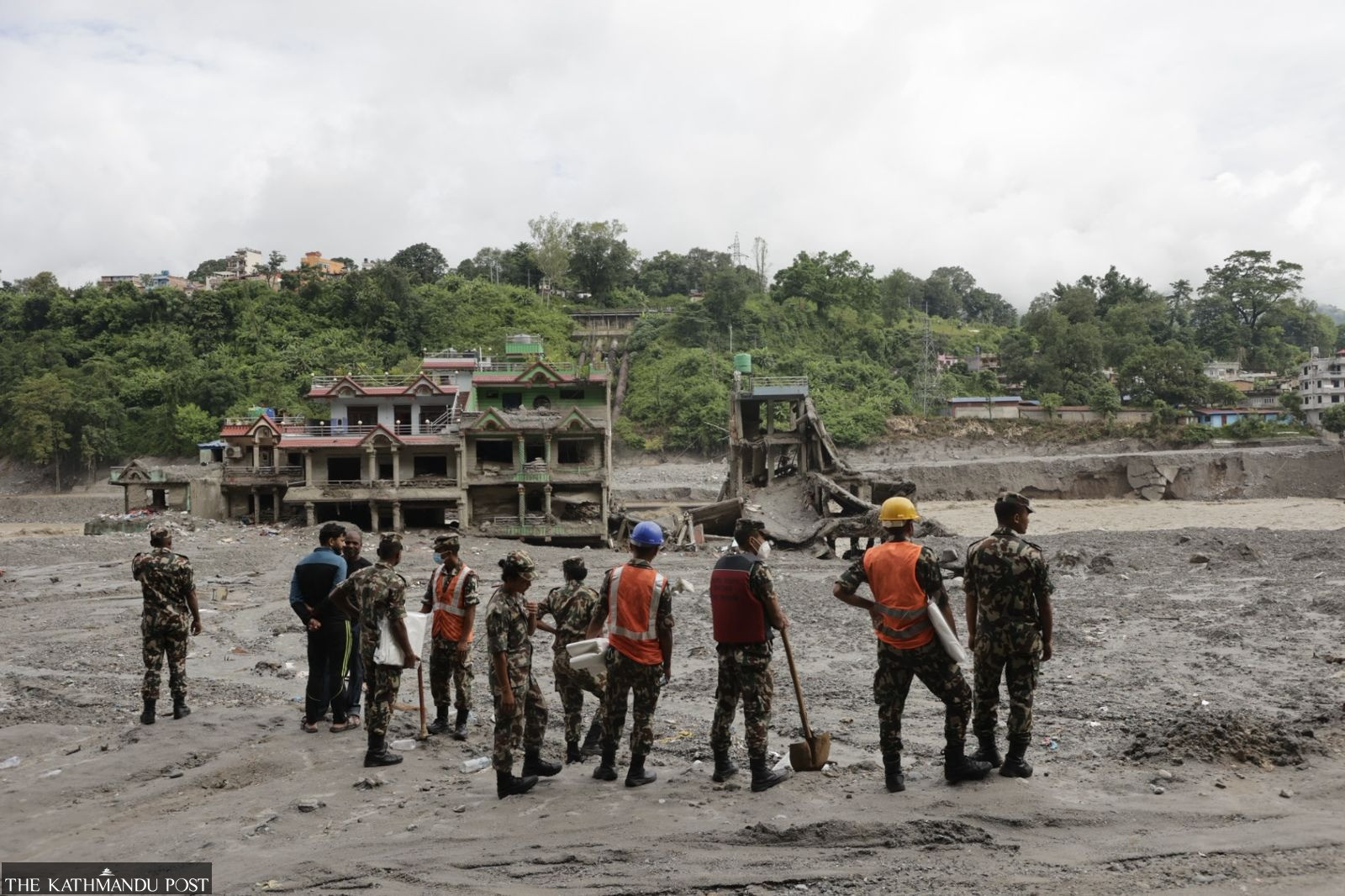
Dhakal said,
Since we are truly suffering from the severe adverse effects of climate change, we have reached out to the board.” He mentioned that Nepal wants an immediate response rather than waiting for the next scheduled board meeting in December.
The letter indicates that this disaster has impacted a fragile transboundary mountain river system. This incident has demonstrated how extreme events occurring in the cryosphere can rapidly flow down from high mountains to affect densely populated areas. The letter also highlights the impacts on water, food, energy, health, infrastructure, ecosystems, and human security.
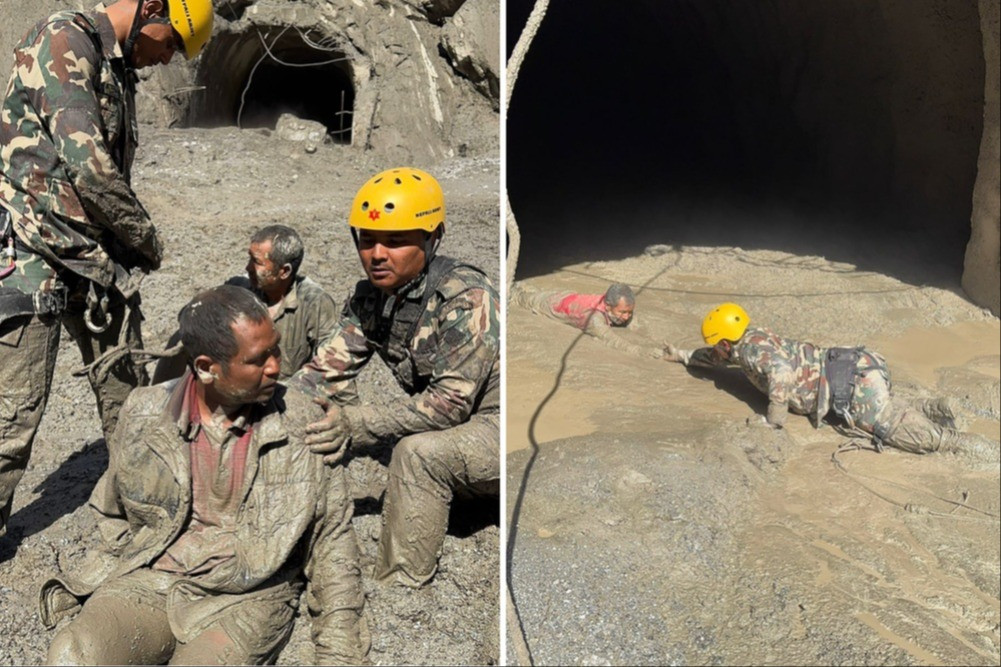
According to the letter,
Nepal is a least developed and highly climate-sensitive mountainous country. Its contribution to global greenhouse gas emissions is negligible, yet it faces continuously increasing and uneven climate impacts. The Bhotekoshi disaster illustrates how extreme events in the cryosphere can rapidly spread from high mountains to densely populated plains. This affects developmental achievements and puts water, food, energy, health, infrastructure, ecosystems, and human security at risk.
The letter states, “In light of the extraordinary severity and urgency of this disaster, the Government of Nepal respectfully requests the board to make a special decision to provide assistance rapidly, directly, and effectively under its operational rules.”
Rapidly rising temperatures in the Himalayan region, melting glaciers and snow, the risk of glacial lake outburst floods, landslides, and increasingly intense rainfall have made Nepal even more vulnerable to climate-related disasters.
All photos courtesy: The Kathmandu Post